


Leather winter hats can feel very different in the same weather. How warm is a leather winter hat? There is no single temperature answer because warmth depends on more than the outer material. A leather shell can reduce direct wind exposure, but the lining, ear coverage, fit, moisture and your activity level all change how warm the hat feels in real use.
This guide uses a practical cold-weather usage matrix rather than unsupported temperature claims. It compares common winter-hat constructions by wind protection, lining, ear coverage and activity level so you can choose a hat for the way you actually use it.
If you are still deciding between hat styles, start with our Leather Hat Buying Guide. For trapper and ear-flap designs, see the Trapper Hat Buying Guide.
Table of Contents
Leather Winter Hats: What Actually Makes Them Feel Warm?
Warmth is a system, not a single material. The main factors are:
- Outer shell: how much direct wind reaches the lining and head.
- Lining: how much insulating material surrounds the head.
- Ear and side coverage: whether exposed areas are protected.
- Fit: whether the hat sits securely without large gaps.
- Moisture: whether the hat or lining becomes wet.
- Activity level: whether you are walking, working outdoors or standing still.
- Personal cold tolerance: two people can feel very different in the same conditions.
This is why two hats made from similar leather can perform differently in winter.
Cold-Weather Usage Matrix
The table below is a practical comparison, not a laboratory temperature rating.
| Use case | Useful construction | Ear coverage | Main advantage | What to watch |
|---|---|---|---|---|
| Short city commute | Leather cap or lightly lined leather hat | Low to moderate | Less bulk, easy everyday wear | Less side protection in wind |
| Windy urban use | Leather outer + warm lining | Moderate | Leather shell helps reduce direct wind exposure | Open ears can still feel cold |
| Long outdoor periods | Sheepskin-lined or dense winter construction | Moderate to high | More insulation around the head | Can feel warm during high activity |
| Strong wind / exposed ears | Ushanka, trapper or aviator-style hat | High | Ear flaps protect the sides of the head | Check flap length and fastening |
| Walking / active use | Moderate lining with adjustable coverage | Adjustable | Can release heat when activity increases | Very dense lining may feel too warm |
| Snow / damp conditions | Leather shell with appropriate care | Depends on style | Leather can reduce direct exposure | Natural leather is not maintenance-free waterproof gear |

What a Leather Outer Shell Does
A leather outer surface is useful in winter because it can reduce direct wind exposure compared with a very open textile structure. That can make a noticeable difference when the weather feels colder because of moving air.
But leather alone is not the same as insulation. A thin leather shell with a lightweight textile lining will not feel the same as a leather hat lined with dense sheepskin.
When comparing hats, ask two separate questions: What blocks the wind? and what traps warmth around the head?
How Lining Changes Warmth
The lining is one of the biggest differences between a light leather hat and a serious winter hat.
Light textile lining
Useful when you want a slimmer hat for city wear, mild cold or shorter outdoor periods.
Insulated textile lining
Adds warmth without the full thickness of natural wool. The exact feel depends on the material and construction.
Sheepskin or shearling lining
Natural wool creates a thicker interior and traps air around the head. It is often chosen for colder-weather designs, but it also takes up more internal space.
For a detailed material comparison, read Sheepskin vs Shearling Hats: Materials, Warmth, Fit & Care.
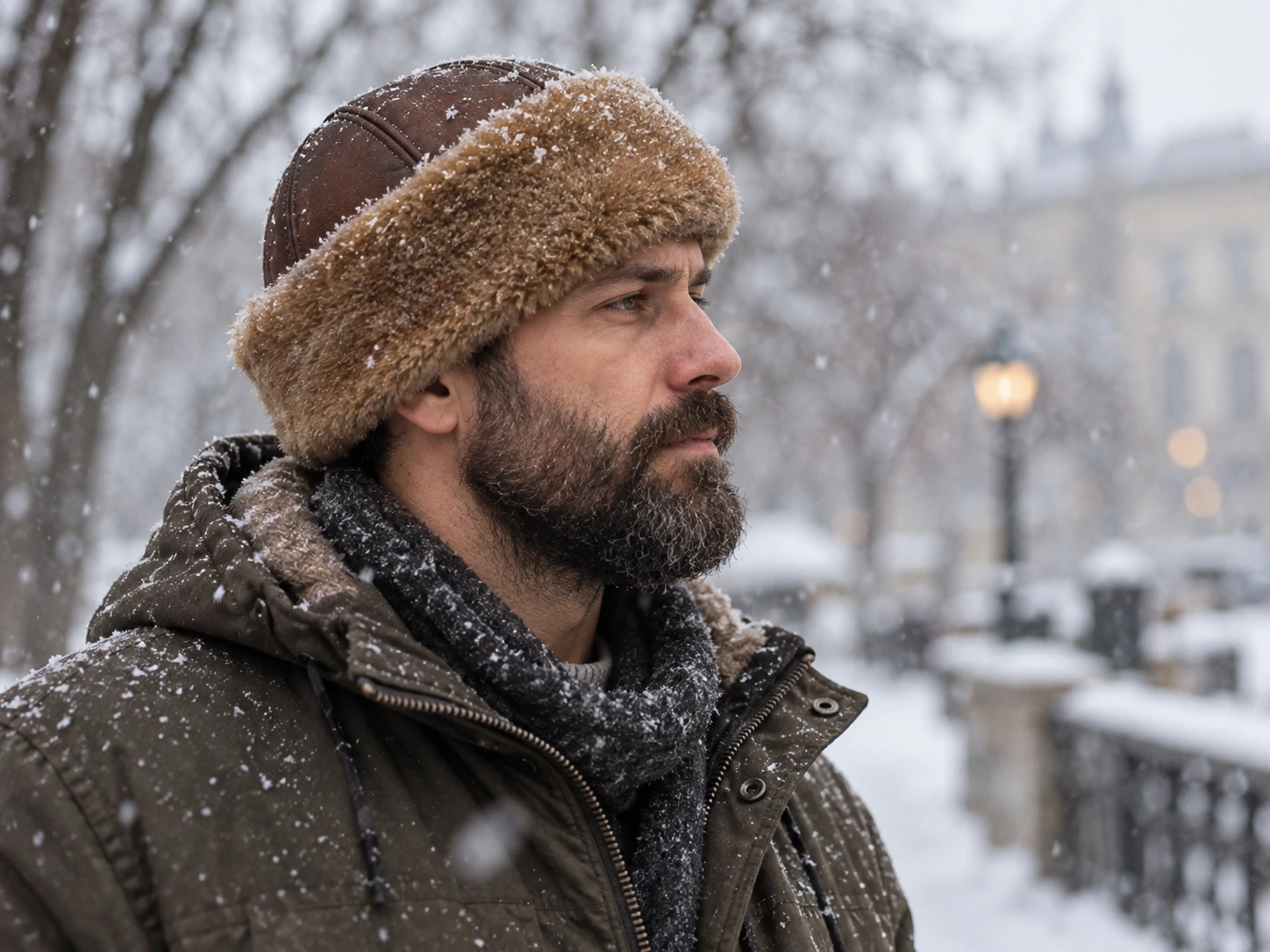
Why Ear Coverage Matters So Much
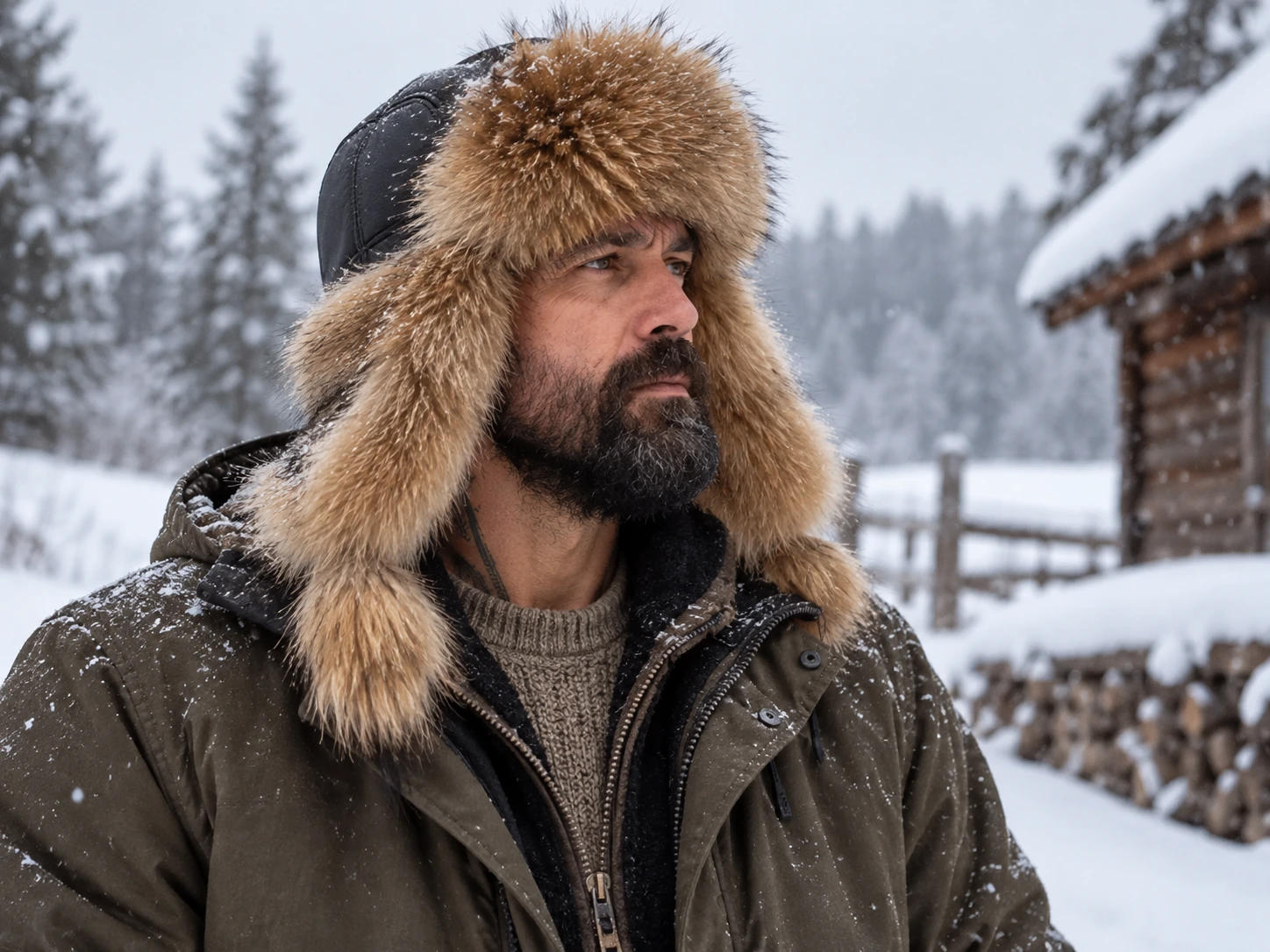
A hat can have a very warm crown while still leaving the wearer uncomfortable if the ears are exposed to wind.
This is why ushanka, trapper and aviator designs often feel more protective than a compact beanie-style hat even when the lining materials are similar. The advantage comes from coverage, not only thickness.
If wind is your main problem, look at how far the ear flaps extend and whether they can be worn securely in the lowered position.
Our Ushanka, Trapper, Aviator & Bomber comparison shows how those shapes differ.
How Fit Changes Heat Retention
A warm lining cannot work effectively if the hat is so loose that cold air continually enters around the lower edge. At the same time, an overly tight hat can be uncomfortable and compress thick natural wool.
The goal is a secure fit without painful pressure. Thick sheepskin-lined hats may feel fuller inside than lightly lined hats, so use your actual head circumference rather than guessing from S, M or L alone.
DeriSitesi adult sizing generally runs from XS (53–54 cm) through 3XL (65–66 cm) on suitable models. For measurement instructions, see our Leather Hat Sizing Guide.
Activity Level: Walking, Commuting and Standing Still
A hat that feels comfortable while standing outdoors may feel too warm after twenty minutes of brisk walking. Your body produces more heat as activity increases, so the ideal winter hat depends on what you are doing.
For active use, adjustable ear flaps can be useful because they let you change coverage without removing the hat completely. A very dense lining can be excellent for low-activity cold exposure but less comfortable during vigorous movement.
If you tend to overheat easily, prioritize adjustable coverage and fit instead of choosing the thickest-looking hat automatically.
Snow, Moisture and Drying
Natural leather should not be treated like fully waterproof synthetic outdoor gear. Brief exposure to light snow is different from prolonged soaking.
If a leather winter hat becomes damp:
- let it dry naturally at room temperature;
- keep it away from radiators, heaters and hair dryers;
- support the crown so it keeps its shape;
- do not seal it in plastic while damp;
- and follow care instructions for both the leather and the lining.
Wet insulation can also feel colder and heavier, so keeping the lining reasonably dry is part of real-world warmth. For safe drying and storage after rain or snow, see our Leather Hat Care & Storage Guide.
Which Hat Style Fits Which Winter Use?
Leather cap or compact leather hat
Best when you want lower bulk, easy city styling and moderate winter protection.
Sheepskin-lined beanie or traditional hat
Useful when crown insulation matters more than long ear-flap coverage. These designs can feel very warm around the head while keeping a cleaner silhouette.
Ushanka or trapper hat
A strong choice when ear coverage and wind protection are priorities. The ability to raise or lower the flaps also makes these designs more adaptable.
Aviator or bomber-style hat
Useful for buyers who want ear coverage with a closer pilot-style shape. Construction varies widely, so check visor, fastening and lining details rather than relying only on the name.
Papakha or taller traditional hat
Offers substantial crown coverage and a distinctive silhouette. Warmth still depends on the exact wool, lining and lower-edge fit.
Can a Winter Hat Be Too Warm?
Yes. A dense winter hat can feel excessive indoors, during fast walking or in changing weather.
This does not mean the hat is poorly made. It means the insulation level is higher than the situation requires. Buyers who move frequently between outdoors, public transport and heated buildings may prefer a hat with adjustable ear coverage or a moderately insulated design.
If overheating is a concern, compare lining thickness and coverage rather than focusing only on “maximum warmth.”
What to Check Before Buying
- Outer material: leather, sheepskin, textile or another construction.
- Lining: lightweight textile, insulated lining, sheepskin or wool.
- Ear coverage: none, partial or full ear flaps.
- Fit: actual head circumference and model-specific size range.
- Fastening: whether ear flaps can be secured up or down.
- Activity level: city commuting, walking, outdoor work or low-activity exposure.
- Moisture expectations: occasional snow is different from prolonged wet conditions.
- Care instructions: especially for natural leather and wool.
What DeriSitesi buyers often mention
Public DeriSitesi Etsy feedback frequently highlights warmth, craftsmanship, accurate sizing, material feel and fast international delivery.
For winter hats, those points are connected: the right lining and construction only work comfortably when the size and coverage are right for the wearer.
Why We Do Not Give a Fixed Temperature Rating
Questions such as “Will this hat work at −20°C?” are understandable, but a fixed comfort number can be misleading unless the product has been tested under controlled conditions.
Real-world warmth changes with wind speed, humidity, sun exposure, duration outdoors, activity level, hair, individual cold tolerance and the rest of your clothing.
A more useful way to choose is to compare wind protection, lining thickness, ear coverage, fit and intended activity. Those details tell you much more about how a hat is likely to behave than an unsupported temperature claim.
Compare Leather Winter Hats
Browse current leather winter hats and compare lining, ear coverage, construction and available sizes.
FAQ
Are leather hats warm in winter?
They can be, but warmth depends heavily on lining, ear coverage, fit and wind exposure. A leather shell alone does not tell you how warm the finished hat will feel.
Is sheepskin warmer than a textile lining?
Sheepskin is generally a thicker natural insulation material, but actual warmth still depends on density, coverage, fit and hat design.
Do ear flaps make a big difference?
They can. In wind, protecting the ears and sides of the head often changes comfort significantly even when the crown material is unchanged.
Can a trapper hat be too warm?
Yes. Dense insulation and full ear coverage can feel excessive during high activity or when moving between outdoor cold and heated indoor spaces.
Is a leather winter hat waterproof?
Do not assume so. Natural leather can handle normal everyday exposure, but it should not automatically be treated as fully waterproof technical rainwear.
Can you guarantee a hat will be comfortable at −20°C or −30°C?
No responsible fixed comfort guarantee should be made without controlled testing. Wind, activity, moisture, duration and personal cold tolerance can change the result substantially.
[…] The useful question is not simply “Which label is correct?” but how the hat is actually built: how far the ear flaps extend, whether it has a visor, how it fastens, what the outer and lining materials are, and how closely it fits around the head. For how those construction details affect cold-weather performance, see our Leather Winter Hat Warmth Guide. […]
[…] different from a thick sheepskin kalpak, just as one ushanka may be much warmer than another. Our Leather Winter Hat Warmth Guide explains the role of lining, wind resistance and ear coverage in more […]
[…] The lining has a major effect on warmth, thickness and how the hat feels on your head. For a deeper comparison of insulation, wind resistance and ear coverage, see our Leather Winter Hat Warmth Guide. […]
[…] A trapper hat is built for cold weather first. Its defining features are a warm crown, substantial ear flaps and enough coverage to protect the sides of the head from wind. Depending on the design, it may use leather, sheepskin, natural fur or faux fur, with ear flaps that can be worn down, tied under the chin or secured above the crown. For a deeper look at insulation, wind resistance and ear coverage, read our Leather Winter Hat Warmth Guide. […]
[…] For a more detailed explanation of insulation, ear coverage and wind exposure, see our Leather Winter Hats Warmth Guide. […]