
A Mongolian fur hat can be a striking choice for winter, but the label does not tell you exactly what the hat is made of or how it fits. In modern stores, “Mongolian-style” may describe a bold, Central Asian-inspired silhouette with a broad fur section, leather panels, ear coverage or a decorative tail. Those details vary from one design to another.
Before buying, look beyond the name. Is the visible fur genuine raccoon fur, natural sheepskin or a faux wolf-pattern trim? Does the inside use wool-on-hide or quilted fabric? Can a tail be removed? And can you wear the ear sections comfortably? This guide answers those practical questions with three real DeriSitesi models, without claiming that every modern style is an exact historical Mongolian garment.
What Does “Mongolian-Style Fur Hat” Mean?
In contemporary product listings, Mongolian-style often refers to the appearance of steppe-inspired winter headwear: prominent fur, curved or rounded crown shapes, leather sections, substantial ear coverage and sometimes a long decorative tail. Some sellers also use terms such as Kazakh-style trapper hat, Central Asian winter hat or Mongolian ushanka. These retail labels can overlap.
There is no single construction that all modern hats sold under this label share. A historical garment worn by a particular community is not automatically identical to a present-day commercial design. We use “Mongolian-inspired” here to describe the styling of the specific products shown, not as proof of their precise historical origin.
If you want to compare the structure of a typical ushanka, trapper, aviator and bomber hat, see our ear-flap winter-hat comparison. This article focuses instead on the materials and features of Mongolian-inspired models.
The Design: Crown, Fur Volume, Ear Sections and Tail
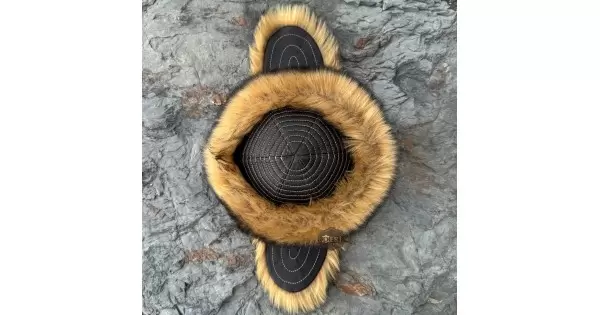
A useful way to understand these hats is to examine four different elements. The crown sits over the top of the head. The visible fur section creates the broad or textured outline that often defines the style. Ear-covering panels may be built into the body or attached as separate shapes. A tail detail, when present, adds a distinctive back profile.
Pay attention to photographs from the front, side and rear. A wide fur band does not necessarily mean that the entire interior is fur-lined. Likewise, a long tail does not mean that it is detachable. These are separate construction details that should be confirmed individually.
Mongolian Fur Hat Materials: Real Raccoon, Sheepskin or Faux Fur?
“Fur hat” describes appearance but not enough about construction. The outer leather, visible trim and inner lining may all be different materials. For an accurate comparison, always identify each part separately.
Genuine raccoon fur and lamb leather
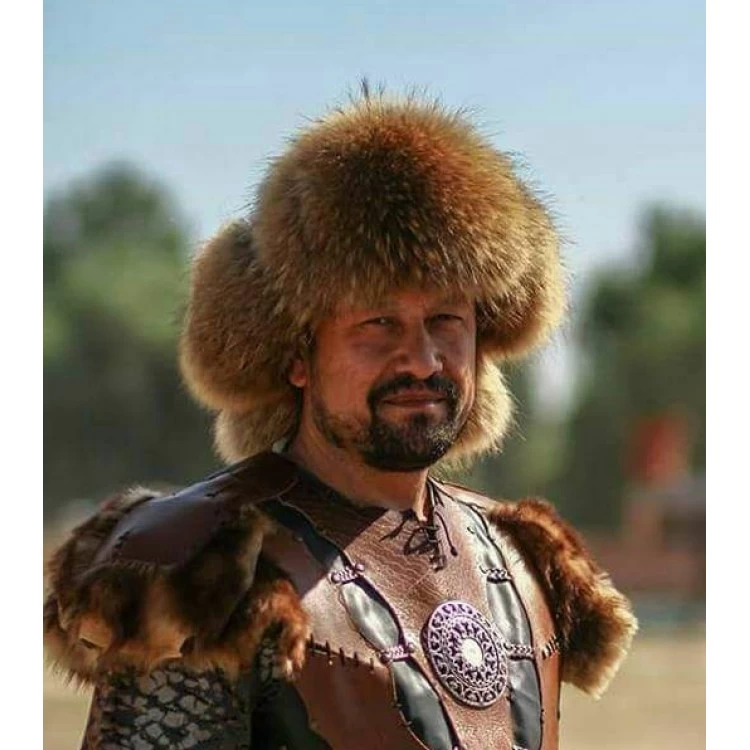
Natural raccoon fur can have substantial volume and noticeable variation in tone and texture. The DeriSitesi Ş063 example uses genuine raccoon fur for its prominent fur section, genuine black lamb leather for the leather areas and a quilted lining on the inside. That is not the same as saying that the whole interior is lined with raccoon fur.
Genuine sheepskin and lamb-fur construction
A sheepskin-based hat has a different feel and appearance. DeriSitesi Ş051 is described with genuine sheepskin leather and natural sheepskin/lamb fur inside. Natural wool texture may vary. It does not have to look or feel like the larger raccoon-fur areas on Ş063.
Faux wolf-pattern fur
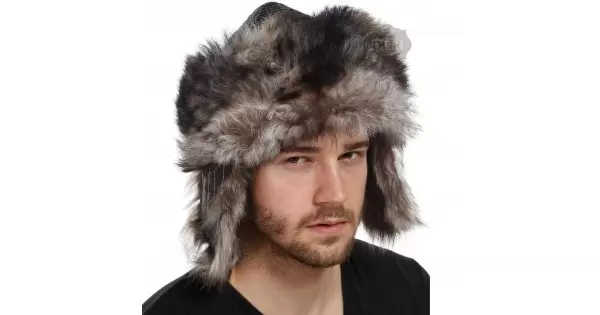
A “wolf-look” design does not necessarily contain wolf fur. In the DeriSitesi S163 example, the wolf-colored fur detail is synthetic faux fur; the hat also includes genuine lamb leather and a natural lamb-fur interior. Describing the synthetic section as real wolf fur would be incorrect. Always distinguish pattern from animal species.
For a broader explanation of wool-on-hide and shearling, see our Sheepskin vs Shearling Hats guide.
Three Real Mongolian-Style Winter Hats from DeriSitesi
These are real examples from the English store, not interchangeable versions of the same hat. The information below follows the individual product descriptions; material specifications and available sizes should always be confirmed on the product page at the time of ordering.
| Product | Visible fur | Interior | Distinctive detail |
|---|---|---|---|
| Ş063 | Genuine raccoon fur | Quilted lining | Snap-on, removable raccoon tail |
| Ş051 | Natural sheepskin/lamb fur | Natural lamb fur | Sheepskin construction |
| S163 | Faux wolf-pattern detail | Natural lamb fur | Wolf-look style, not real wolf fur |
Ş063 — Raccoon fur, black lamb leather and detachable tail
This model has a quilted interior and a genuine raccoon tail attached with snap fasteners. It is a useful example of how natural fur and lamb leather can be combined while the interior uses a different lining material. The tail can be worn attached or removed according to the look you prefer.
Ş051 — Oghuz Kagan-style sheepskin trapper hat
This second design emphasizes natural sheepskin leather and a lamb-fur interior. It is an alternative for someone who prefers a sheepskin construction rather than the raccoon-fur-and-quilted-lining combination of Ş063.
S163 — Wolf-pattern appearance with artificial fur
The wolf-color detail on S163 is faux fur, not genuine wolf fur. Genuine lamb leather and a lamb-fur interior are described separately in its product information. This distinction is especially important when comparing products online based on names or photos alone.
Are Mongolian-Style Fur Hats Suitable for Winter?
Many of these designs are intended for cold weather, but their warmth cannot be judged by the word “Mongolian” alone. Ear coverage, how the hat sits around the forehead, the type of lining, wind exposure and your activity all influence comfort. A quilted lining and a natural fur lining will not necessarily feel the same.
If you plan to wear the hat while walking or standing outdoors, try to assess the real ear coverage and whether the shape stays comfortable as you turn your head. Leather panels can reduce direct airflow through those panels, but no hat should be called completely windproof or waterproof without model-specific evidence.
For a more detailed discussion of lining, wind and different winter activities, see How Warm Are Leather Winter Hats?.
Compare Real Fur, Sheepskin and Faux-Fur Details
Explore genuine leather winter hats and compare each model’s materials, lining, detachable details and actual size options before ordering.
Does a Removable Tail Change the Look or Fit?
A long fur tail can make the rear silhouette more noticeable, particularly on traditional-inspired hats. On Ş063 the genuine raccoon tail is attached with snap fasteners and is removable. Removing it changes the appearance, but the head-size measurement and the hat’s main lining remain the same. There is no reason to assume that every hat with a tail offers this feature; look for a documented snap or other removable connection.
If you are shopping for a more understated city look, the ability to remove a decorative tail may be useful. If the tail cannot be removed, do not pull or cut it off without checking with the manufacturer.
How to Choose the Right Size and Check Fit
Start with your actual head circumference. Use a soft measuring tape around your head roughly above the eyebrows and ears, where the hat should sit. Keep it snug, not tight. Then compare the measurement with the specific product’s size chart; avoid choosing only by a general “men’s” label.
For example, the current Ş063 product page lists sizes XS through 3XL, corresponding to head circumferences from 53–54 cm at XS through 65–66 cm at 3XL. That is this product’s published size chart, not a guarantee that every Mongolian-style hat uses the same dimensions or interior volume.
Check whether the hat stays on your head without squeezing your forehead or pushing uncomfortably on your ears. A thicker wool lining can make two hats with the same outer measurements feel different. If you are between sizes or unsure how to measure, follow our Leather Hat Sizing Guide rather than guessing.
How to Care for Leather and Fur Winter Hats
Do not machine wash a genuine leather-and-fur hat or soak its leather base. Keep it away from radiators, hair dryers and other strong heat sources. Gently remove loose surface dust with suitable soft tools, and allow damp areas to dry naturally in a ventilated room.
Raccoon fur, sheepskin, synthetic fur and quilted fabric should not automatically be treated with the same cleaning solution. For spills or heavy soiling, consult a cleaner experienced with the exact materials used in your model. Our Leather Hat Care & Storage Guide explains broader storage and drying practices.
Mongolian Fur Hats: Frequently Asked Questions
Is a Mongolian-style hat the same as an ushanka?
Not always. Both names may appear in modern listings, especially for ear-flap winter hats, but “Mongolian-style” often describes an inspired visual design while “ushanka” refers to a recognizable ear-flap hat form. Check the actual hat construction instead of relying only on labels.
Are all Mongolian fur hats made from genuine fur?
No. Some models use natural raccoon or sheepskin fur, while others use faux-fur details. For instance, DeriSitesi Ş063 includes genuine raccoon fur, whereas the wolf-patterned section on S163 is faux fur.
Is faux wolf fur the same material as real wolf fur?
No. Faux wolf-pattern fur imitates a visual color or texture and should not be described as genuine wolf fur. A hat can also combine faux trim with genuine lamb leather or lamb-fur parts.
Does every traditional fur hat have a detachable tail?
No. Ş063 has a genuine raccoon tail secured with snaps, but that does not establish whether another model’s tail is detachable. Confirm the mechanism before buying.
Are genuine raccoon fur and natural sheepskin the same?
No. They come from different animals and create different textures and constructions. Compare the listed fur, leather, lining and trim separately.
How do I choose a Mongolian-style hat for a gift?
Find out the recipient’s head circumference when possible, or confirm the model’s actual size chart and return conditions. Decorative tails, prominent fur volume and the intended wearing occasion can be as important as the size label.
Real customer feedback can help you evaluate craftsmanship and service, but it cannot replace checking the exact hat’s materials and measurements.
Explore Genuine Leather Winter Hat Styles
Compare authentic product photography, different fur types, interior linings, sizes and construction before selecting a handmade winter hat.
Final Thoughts: Choose the Construction, Not Just the Name
A Mongolian fur hat is easier to choose when you examine the actual leather, the species or synthetic type of visible fur, the interior lining, ear coverage and decorative details separately. Ş063, Ş051 and S163 illustrate why a similar style name does not mean the same materials or fastening features.
See the DeriSitesi traditional winter hat collection or ask us about a particular model if its size or construction is unclear.
[…] One current DeriSitesi ushanka model, for example, uses a buckle with functional ear flaps and no visor, while a Mongolian-style trapper model has functional ear flaps without a buckle or visor. These examples show why the product label alone cannot tell you every construction detail. For model-specific examples of raccoon fur, sheepskin and faux wolf-pattern construction, explore our Mongolian-style fur hat guide. […]
[…] use textiles or faux fur. There is no rule that every ushanka must use one specific material. Our Mongolian-style fur hat comparison shows how those material differences appear on three actual winter-hat […]
[…] Some trapper-style hats use natural fur such as rabbit or other fur types as trim or lining. These materials can create a very soft feel and a traditional winter appearance. Because fur species differ in density, texture and care requirements, the product description should identify the actual material rather than using only the generic word “fur.” For real comparisons of raccoon fur, sheepskin and faux wolf-look designs, see our Mongolian fur hat materials guide. […]
[…] Some winter hat designs may include natural fur or faux-fur trims depending on the model. Materials should always be checked in the current product description because the appearance of two trims can be similar while the material, feel and care requirements differ. For cleaning, drying and storage after purchase, see our Leather Hat Care & Storage Guide. For a practical comparison of genuine raccoon fur, sheepskin and synthetic wolf-pattern details on real hats, read our Mongolian-style winter hat guide. […]